
What's the Best Age for Braces? When Kids Should See an Orthodontist
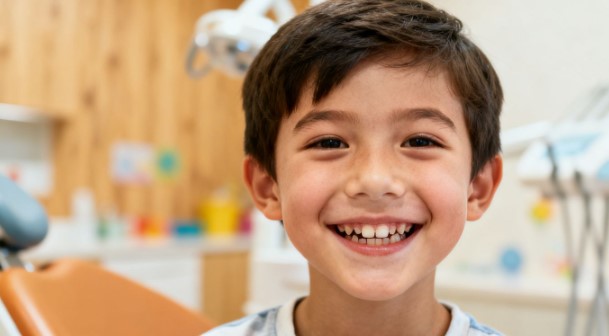
Many parents assume they can put off thinking about orthodontics until their children are teenagers. After all, we usually picture middle schoolers or high schoolers with a mouthful of brackets. In reality, the journey toward a healthy smile starts much earlier than most people realize. At Swenson Family Orthodontics in Lewiston, Dr. Brendon Swenson helps families figure out the right timing for each child rather than a one-size-fits-all age.
Why Age 7 Is Recommended for an Early Orthodontic Evaluation
The American Association of Orthodontists recommends that children get their first orthodontic checkup around age seven. At this stage, your child still has a mix of baby and adult teeth, which gives the specialist a clear map of how the jaw is growing. This early evaluation is not about putting brackets on a first-grader; it is about keeping watch. By examining a seven-year-old, an orthodontist can identify subtle problems with jaw growth and emerging permanent teeth while they are still highly treatable, saving time, stress, and expense by the teenage years. Our early treatment page covers what this looks like in practice.
Signs Your Child Needs Braces Sooner Rather Than Later
While age seven is the golden rule for a first screening, you don't have to wait if something looks visibly off. A child's mouth often drops subtle clues that a structural alignment issue is already unfolding:
- Early or late loss of baby teeth: losing baby teeth out of the typical sequence can disrupt how adult teeth slide into place.
- Difficulty chewing or biting: painful or clumsy eating often points to a misalignment of the upper and lower arches.
- Mouth breathing or thumb sucking: persistent habits like these can actively reshape the development of the palate and jaw.
- Crowded or misplaced teeth: overlapping teeth trap more plaque, which can lead to early decay.
Recognizing these traits early lets you act before habits or structural shifts consolidate into permanent issues.
Braces for Kids: What Age Is Actually Best for Treatment?
The ideal treatment window typically falls between ages 10 and 14. During this pre-adolescent phase, most of the secondary teeth have arrived, yet the jawbone is still relatively soft and responsive to change, making tooth movement smoother than it would be in adulthood. Our kids braces options are designed around exactly this window.
What an Early Orthodontic Evaluation Involves
Your child's first orthodontic consultation is a straightforward, sensory-friendly experience. The specialist examines the teeth, takes digital images, and may create a physical or digital model of the bite. It is completely non-invasive and designed to establish a positive baseline for future care.
Benefits of Catching Orthodontic Issues Early
Early intervention, often called phase-one treatment, focuses on guiding jaw growth and making room for incoming adult teeth. This early work can mean the difference between a simple treatment plan later and a complex one involving extractions or surgery. The phases generally break down like this:
| Treatment Phase | Target Age Range | Main Goal | Common Appliances |
|---|---|---|---|
| Phase One (Early) | Age 7 to 9 | Guide jaw growth and create space | Palate expanders, partial braces, space maintainers |
| Phase Two (Standard) | Age 11 to 14 | Align permanent teeth and correct bite | Full traditional braces, clear aligners |
| Adult Treatment | Age 18 and older | Correct alignment with fully set bones | Clear aligners, ceramic braces, surgical orthodontics |
Working with the body's natural growth spurts instead of fighting rigid bone structure lets orthodontists achieve a healthy, stable smile with minimal discomfort. Teens who prefer a discreet option can also ask about Invisalign for teens.
What If Your Child Isn't Ready for Braces Yet?
If the orthodontist determines your child isn't ready for active treatment, there's no need to worry, this is extremely common. Most early evaluations don't lead to immediate braces; instead the child joins an observational program.
How Orthodontists Plan Treatment Timing Around Growth
During this observational window, the specialist monitors your child's dental development every six to twelve months. These checkups pinpoint the exact moment when intervention will be the least costly, least invasive, and most effective, matching treatment to your child's unique growth spurts. Waiting for the right physiological moment means your child spends the minimum time in orthodontic hardware, and families can feel confident they are making the healthiest, most efficient choice.
Conclusion
Finding the best age for braces means balancing official guidelines with your child's unique growth pattern. An early evaluation at age seven gives you a clear roadmap, whether your child needs phase-one treatment, joins a growth-monitoring program, or waits for standard pre-adolescent braces. To find out where your child stands, schedule a free consultation with our team.
Frequently Asked Questions
What is the absolute best age for braces?
For most kids, the ideal range is 10 to 14, when most adult teeth are in place but the jaw is still highly responsive to alignment changes.
Why is a visit recommended at age 7?
By age seven, a child's mouth has a mix of baby and adult teeth, allowing an orthodontist to detect early jaw growth issues and plan future treatment.
Can my child get braces if they still have baby teeth?
Yes. Phase-one treatment uses partial braces or expanders to guide jaw growth and make room for future adult teeth.
How long does a typical child wear braces?
Most children wear traditional braces for 18 to 24 months, though the exact duration depends on the complexity of their alignment issues.
Will my child still need braces as a teen if they get early treatment?
Often yes, but the second phase during the teenage years is usually much shorter, simpler, and far less invasive.
About the Author
Swenson Family Orthodontics is a family orthodontic practice in Lewiston, Idaho, led by Dr. Brendon Swenson. Dr. Swenson earned his dental degree at The University of Iowa College of Dentistry and completed Iowa's Orthodontic Residency Program to become an orthodontic specialist. The practice provides braces, Invisalign, and early orthodontic treatment for children, teens, and adults throughout the Lewis-Clark Valley.
Medical Disclaimer
The information provided in this article is for educational purposes only and does not constitute professional medical, dental, or orthodontic advice, diagnosis, or treatment. Always seek the advice of your orthodontist, dentist, or other qualified health provider with any questions you may have regarding a medical condition or treatment. Never disregard professional medical advice or delay in seeking it because of something you have read here.
Blog Post Author

Contributed by DentalROI
DentalROI provides relevant dental content to help providers educate patients. The statements, services, and products referenced in this article have not been evaluated by the Food and Drug Administration, and they are not intended as a substitute for professional medical advice, diagnosis, or treatment. Always seek the advice of your dental provider with any questions or issues you may have. Specific recommendations may vary in different circumstances, so individual consultation is important.